AUTOMAÇÃO RESIDENCIAL BASEADA EM INTELIGÊNCIA ARTIFICIAL: ESTRATÉGIAS PARA EFICIÊNCIA ENERGÉTICA E CONFORTO DO USUÁRIO
DOI:
https://doi.org/10.56238/ramv20n16-014Palavras-chave:
Automação Residencial, Inteligência Artificial, Residências Inteligentes, Eficiência Energética, Internet das CoisasResumo
A automação residencial baseada em inteligência artificial vem se destacando como uma importante inovação tecnológica aplicada às residências inteligentes. A integração entre sensores, atuadores, Internet das Coisas (IoT) e algoritmos inteligentes permite o controle automatizado de sistemas como iluminação, climatização, segurança e gerenciamento energético, proporcionando maior conforto, praticidade, segurança e eficiência energética aos usuários. A inteligência artificial possibilita a análise contínua de dados e padrões de comportamento, permitindo que os sistemas se adaptem automaticamente às necessidades dos moradores. Além dos benefícios relacionados à otimização do consumo de energia elétrica e à melhoria da qualidade de vida, a automação residencial também apresenta desafios relacionados aos custos de implementação, à segurança digital, à interoperabilidade entre dispositivos e à adaptação dos usuários às novas tecnologias. Dessa forma, conclui-se que a automação residencial com inteligência artificial possui grande potencial para transformar os ambientes domésticos contemporâneos, tornando-os mais eficientes, sustentáveis e inteligentes.
Referências
[1] JO, Hana; YOON, Yong Ik. Intelligent smart home energy efficiency model using artificial TensorFlow engine. Human-centric Computing and Information Sciences, v. 8, art. 9, 2018.
[2] MEHMOOD, Asif; LEE, Kyu-Tae; KIM, Do-Hyeun. Energy Prediction and Optimization for Smart Homes with Weather Metric-Weight Coefficients. Sensors, v. 23, n. 7, art. 3640, 2023.
[3] MICHOS, Stavros; DALAGDI, Eleanna; VRAKAS, Dimitrios. Intelligent energy management systems: a review. Artificial Intelligence Review, v. 56, p. 11635–11674, 2023.
[4] RICQUEMBOURG, Vincent et al. ThinkHome: Energy Efficiency in Future Smart Homes. EURASIP Journal on Embedded Systems, v. 2011, art. 104617, 2011.
[5] Figura 1 — PIXABAY. Lar inteligente e automação residencial. Disponível em: Pixabay Automação Residencial. Acesso em: 06 maio 2026.
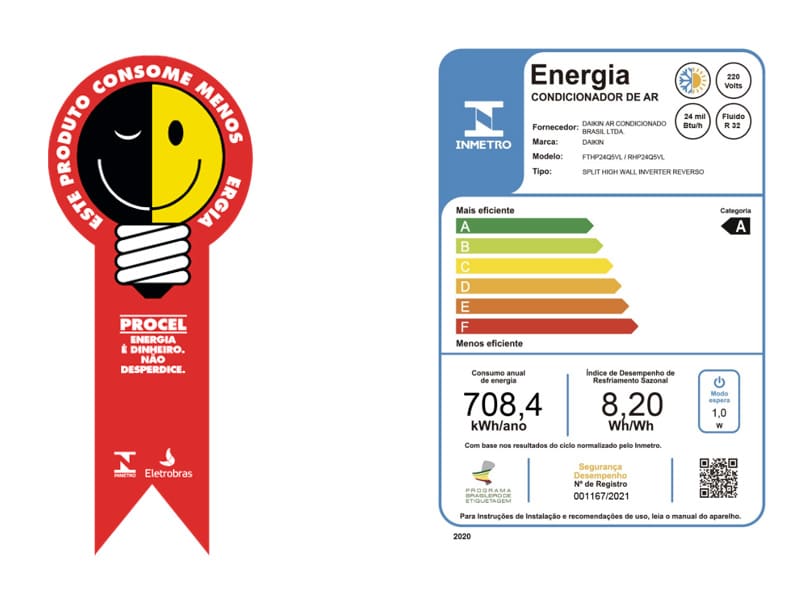
[6] Figura 2 — DAIKIN. Selo Procel Inmetro. 2023. Disponível em: https://www.daikin.com.br/blog/wp-content/uploads/2023/05/Selo-Procel-Inmetro.jpg. Acesso em: 11 maio 2026.
[7] Figura 3 — PORTAL DA AUTOMAÇÃO RESIDENCIAL. Estrutura funcional de uma residência inteligente automatizada. 2024. Disponível em: https://www.portaldomarketing.com.br/. Acesso em: 15 maio 2026.
[8] Figura 4 — CONSTAT. Automação residencial e acessibilidade para idosos. 2024. Disponível em: https://constat.com.br//media/resize/1920x1920/blogpost/100/6538faa444294.jpg. Acesso em: 15 maio 2026.
[9] ALI, Bahaa Abdul Hadi et al. Internet of Things for Smart Homes: Technologies, Protocols, and Applications. Journal of Network and Computer Applications, v. 123, p. 3–33, 2018.
[10] GUBBI, Jayavardhana et al. Internet of Things (IoT): A Vision, Architectural Elements, and Future Directions. Future Generation Computer Systems, v. 29, n. 7, p. 1645–1660, 2013.
[11] MARIKYAN, Davit; PAPAGIANNIDIS, Savvas; ALAMANOS, Eleftherios. A Systematic Review of the Smart Home Literature: A User Perspective. Technological Forecasting and Social Change, v. 138, p. 139–154, 2019.
[12] BALTA-OZKAN, Nazmiye et al. Social Barriers to the Adoption of Smart Homes. Energy Policy, v. 63, p. 363–374, 2013.
[13] AHMAD, Muhammad Waseem et al. A Review on Applications of ANN and SVM for Building Electrical Energy Consumption Forecasting. Renewable and Sustainable Energy Reviews, v. 33, p. 102–109, 2014.
[14] PAL, Dipankar et al. Smart Homes and Internet of Things: A Bibliometric Study. Journal of Cleaner Production, v. 301, art. 126996, 2021.
[15] ALAM, Mohammad Rizwan et al. Energy Management in Smart Homes Using Internet of Things: Concepts and Challenges. IEEE Access, v. 5, p. 761–771, 2017.
[16] YANG, Ray et al. Home Energy Management System Based on Artificial Intelligence and Internet of Things. Energy and Buildings, v. 174, p. 569–578, 2018.
[17] CHUI, Michael; LÖFFLER, Markus; ROBERTS, Roger. The Internet of Things. McKinsey Quarterly, v. 2, p. 1–9, 2010.
[18] HOSSAIN, Md. Shamim. Cloud-Supported Cyber–Physical Localization Framework for Patients Monitoring. IEEE Systems Journal, v. 11, n. 1, p. 118–127, 2017.
[19] SHARMA, Vivek et al. Artificial Intelligence Applications for Smart Home Automation. International Journal of Scientific Research in Computer Science Engineering and Information Technology, v. 5, n. 2, p. 102–109, 2019.
[20] BECERRA, Victor et al. Smart Home Technologies: Applications and Challenges. Sensors, v. 22, n. 5, art. 1897, 2022.
[21] PARK, Eunil et al. IoT-Based Smart Homes: User Acceptance and Adoption Factors. Energy and Buildings, v. 148, p. 363–372, 2017.
[22] KHAN, Rafiullah et al. Future Internet: The Internet of Things Architecture, Possible Applications and Key Challenges. International Conference on Frontiers of Information Technology, p. 257–260, 2012.
[23] MINOLI, Daniel; SOHRABY, Kazem; OCCHIUZZI, William. IoT Considerations, Requirements, and Architectures for Smart Buildings. IEEE Internet of Things Journal, v. 4, n. 1, p. 269–283, 2017.
[24] LI, Shancang; XU, Li Da; ZHAO, Shanshan. The Internet of Things: A Survey. Information Systems Frontiers, v. 17, p. 243–259, 2015.